Steel Fixed Windows in Austin, TX
Fixed windows are all about light, views and clean architectural framing.
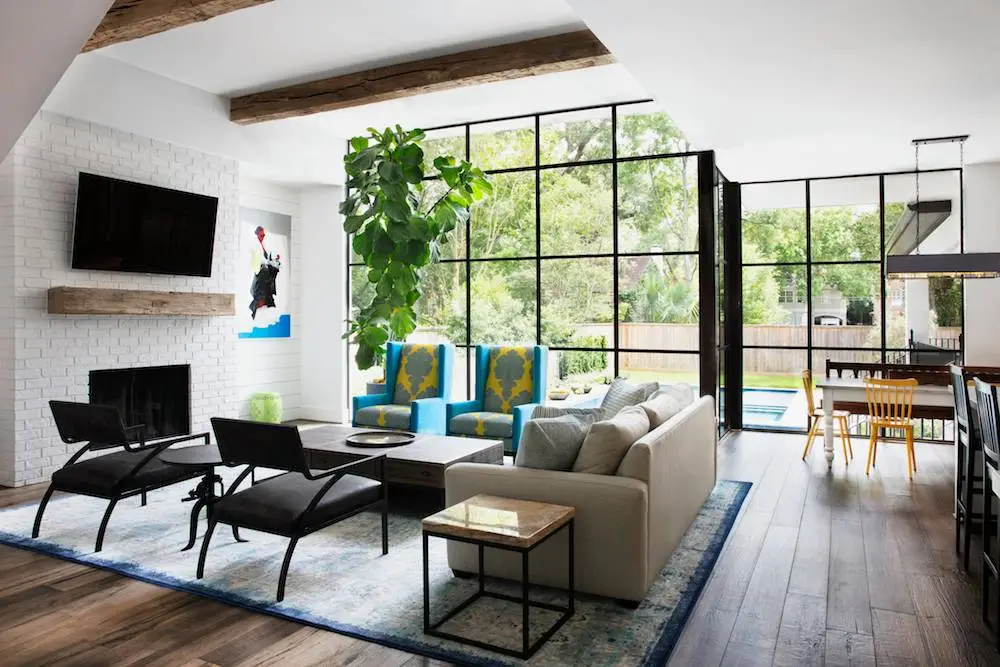
Fixed windows do not open, which allows them to prioritize uninterrupted glass, strong thermal performance and broad, panoramic sightlines. They are a smart solution anywhere ventilation is not required but daylight and views matter.
Steel framing gives fixed windows a more refined and architectural expression, especially in modern homes where thin profiles and larger glass expanses are part of the design language.
These windows work beautifully on their own or alongside operable units, awnings and casements to create layered window walls with both beauty and function.
Why Homeowners Choose This Style
- Maximum daylight and uninterrupted views
- No operable sash means fewer opportunities for air leakage
- Excellent for feature elevations and window walls
- Pairs well with operable side or lower units
Popular Applications
- Entry feature wall
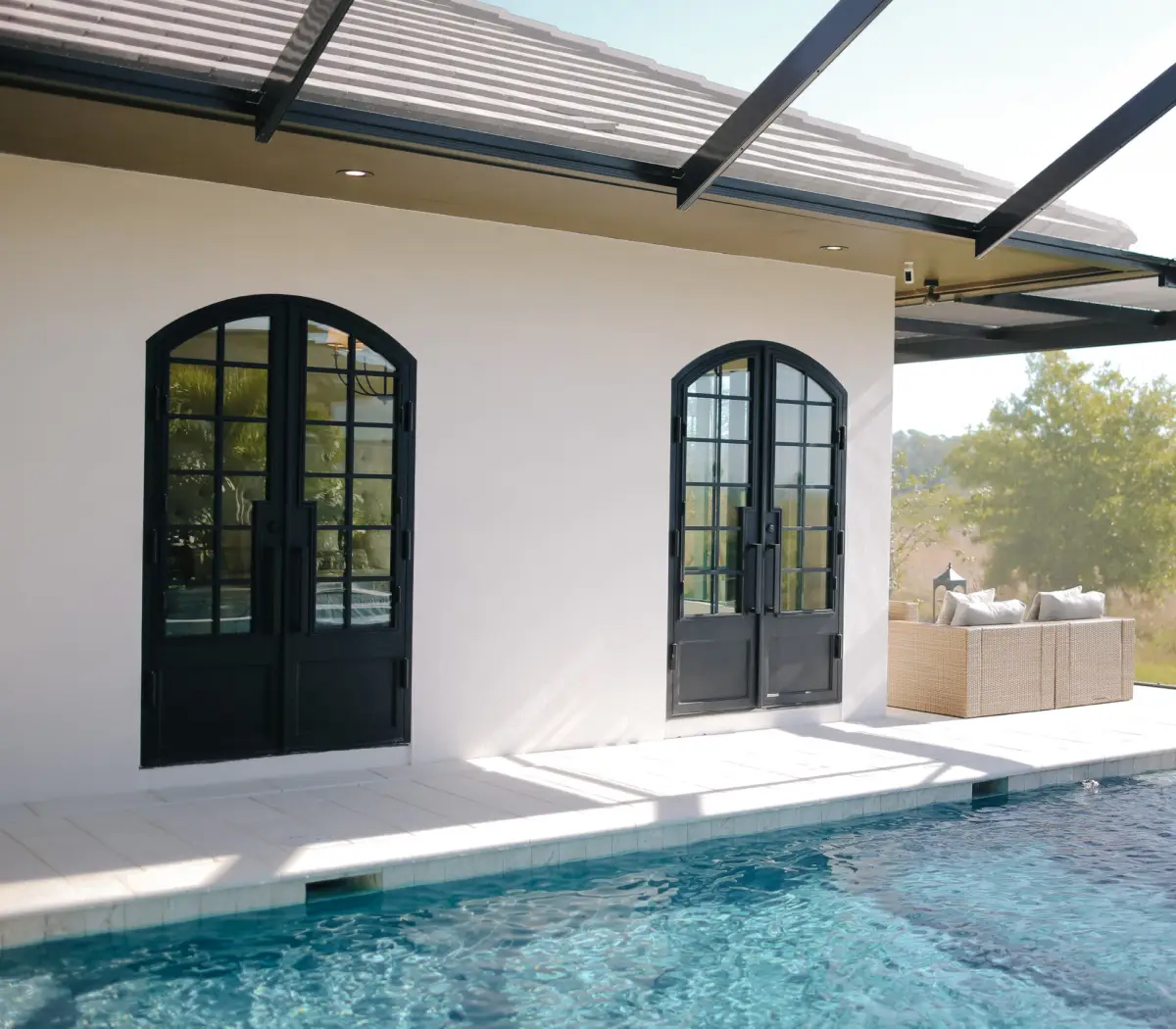
- Patio elevation
- Living spaces
Need help choosing the right configuration? Visit our product catalog or request a quote and we will help match the design to your opening, layout and finish preferences.
What a Fixed Steel Window Is For
A fixed window does not open. There is no hinge, no hardware and no operating gear, and the glazing is sealed directly into the frame. Everything that would otherwise be given over to making a window work is instead given to glass and to keeping the frame as narrow as it can be.
That is the whole argument for specifying fixed units where you can. A fixed window has the slimmest possible sightline, the best thermal performance of any window type because there is no opening joint to seal, the lowest air leakage, and nothing that will ever need adjustment. It is also the least expensive way to buy a given area of glass.
The usual approach on a well-planned elevation is to place operable units only where ventilation is genuinely needed and make everything else fixed. In steel this pays off twice, because steel already gives the narrowest frame for a given span and a fixed unit takes that advantage further.
Key Features of Our Steel Fixed Windows
The narrowest sightlines available
No operating hardware means no additional frame depth to house it. A fixed steel unit gives the finest frame line of any window we build, which is why large view windows are almost always fixed.
Large spans in a slim section
Steel's strength is what allows a large pane to be framed without a deep profile, so a big window reads as glass with a fine dark edge rather than as a heavily framed opening.
Best-in-class air tightness
With no opening joint there is no operable seal to compress, wear or leak. Sealed glazing in a welded frame is the tightest window assembly available.
Thermally broken frames
A thermal barrier through the profile controls conducted heat and keeps interior frame surfaces near room temperature, which matters on any Austin elevation with real sun exposure.
Insulated glazing specified per elevation
Low-emissivity coatings sized to the orientation, with laminated options for acoustic control or safety glazing where the code requires it.
Configurable as part of larger assemblies
Fixed units are frequently combined with operable ones in a single welded frame, or built up into curtain window walls for a full glazed elevation.
Benefits of Fixed Steel Windows
Fixed units are the efficient choice wherever ventilation is not required, and there are more of those places than most plans assume.
- Maximum glass for the opening. The slimmest frame of any window type means the highest proportion of the aperture is actually view.
- The best thermal and air-tightness performance in the range, because the weakest point of any window is the joint where it opens, and a fixed unit does not have one.
- Lower cost per square foot of glazing, since there is no hardware, no operable seal and less labor in the assembly.
- Nothing to maintain. No hinges to adjust, no seals under cycling compression and no hardware to service over the life of the window.
- Uninterrupted views. On a Hill Country elevation the reason to build a large window is the view, and a fixed unit gives the most of it.
- Secure by nature. A sealed unit in a welded steel frame offers no operating mechanism to defeat.
Customization Options
Fixed windows are drawn to the opening, and the choices are mostly about proportion and glass.
Size and proportion
Built to the measured opening rather than to stock sizes. Tall narrow slots, wide horizontal bands and large square picture openings are all straightforward in steel.
Glazing bar layout
A single clear pane for a pure view, or divided lites in a grid that picks up the rhythm of the other windows on the elevation. Bar spacing is drawn to your building.
Glass specification
Low-emissivity solar control coatings for south and west exposures, laminated for acoustic performance, low-iron where color rendering matters, obscured for privacy. See the glass options page.
Finish
Matte black, bronze, graphite, warm grays or clear-coated raw steel, matched across casement windows and doors elsewhere on the elevation.
Combination assemblies
Fixed panes are frequently combined with operable units in one welded frame, so a large picture window can carry a awning or casement vent within the same assembly.
Shape
Rectangular, arched, radius, trapezoidal and triangular units for gable ends and raked ceilings. Fixed glazing is where unusual shapes are most practical because there is no mechanism to accommodate.
Materials & Craftsmanship
Frames are fabricated from steel section, welded at the corners, then dressed and ground so the perimeter reads as one continuous line. On a fixed window the frame is a pure visual element with no functional interruption, so the quality of the corner is on display in a way it is not on an operable unit.
Glazing is bedded on setting blocks and sealed into the frame so the insulated unit carries only its own weight and none of the building's. This is what protects the edge seal of the glass unit, and edge seal failure is the most common reason an insulated unit eventually fogs internally. On large fixed panes, where the unit is heavy, the setting detail matters considerably.
Finishing runs through degreasing, mechanical surface preparation and a coating system chosen for exterior exposure and hard Central Texas UV. West-facing glazing takes several hours of direct sun a day through the summer, and the coating specification is written for that condition.
Installation is where fixed windows are most often let down, because a perfectly built unit set into an opening that is out of plane will be stressed at its corners. We survey openings and set units to plane, and allow for the seasonal movement Austin's expansive clay soils produce, so the glazing is not carrying loads it was never designed for.
Where Steel Fixed Windows Work Best
View elevations
Hill Country and lakefront outlooks west of Austin where the reason for the window is the view and the frame should interfere with it as little as possible.
Gable ends and raked ceilings
Triangular and trapezoidal units filling the geometry above a vaulted room, where an operable unit would be unreachable anyway.
Stairwells and double-height spaces
High-level glazing that brings light deep into a volume, in positions nobody could operate a window from.
Alongside operable units
The efficient pattern for most elevations: fixed glazing for light and view, with a smaller operable unit nearby for ventilation.
Bathrooms and privacy locations
Obscured fixed glazing where light is wanted but neither a view nor ventilation is required.
Commercial storefronts and offices
Large sealed glazed areas where air tightness and thermal performance carry through to running costs.
Why Choose OMG Steel Doors for Steel Windows
Fixed windows look simple and are therefore easy to build badly, because everything rests on frame accuracy and the glazing detail. A frame that is out of plane stresses the unit, and a poor setting detail shortens the life of the glass. We fabricate and install these ourselves, so the unit is set the way it was built to be set.
We draw and build to surveyed openings. This matters most on renovation work in older Austin homes, where openings are rarely square, and on new construction where a large fixed unit has to coordinate with structure that may have moved since the drawings were issued.
Glass is specified per elevation rather than uniformly across a building. A west-facing window in Central Texas has genuinely different requirements from a shaded north one, and specifying the whole house to a single glass package either wastes money or leaves the hot side underperforming.
We work with homeowners, Austin architects and custom builders across the greater Austin area and Central Texas, with projects in Dallas, Houston, San Antonio and Fort Worth. Completed work is shown on our projects page, and quotes include the fabricated frames, glazing, weatherseals and professional installation, described on the installation page.
Frequently Asked Questions
Why choose a fixed window instead of one that opens?
Because where you do not need ventilation, a fixed unit is better in every measurable way. It has a slimmer frame, better thermal performance, lower air leakage, nothing to maintain and a lower cost for the same area of glass. The sensible approach is to put operable units where air is actually needed and make the rest fixed.
How large can a fixed steel window be?
Large. The constraints are the weight and maximum size of the insulated glass unit and what the structural opening can support, rather than the steel frame itself. Steel spans further in a slimmer section than the alternatives, which is precisely why it is used for large view windows. Send us the opening and we will confirm.
Are steel windows energy efficient in Texas?
Properly specified, yes. Two things matter: a thermal break through the frame, and an insulated glass unit with a low-emissivity coating appropriate to the orientation. On a west-facing Austin elevation the glass does most of the work in controlling heat gain. Steel also has a small advantage in that its slim frames mean less frame area and more glass for the same opening. See our energy efficiency page.
Can fixed windows be made in unusual shapes?
Yes, and fixed glazing is where custom shapes are most practical, because there is no operating mechanism to accommodate. Arched, radius, triangular, trapezoidal and other geometries are all achievable in steel, which is one reason steel is favored for gable ends and raked ceilings.
Do steel windows cause condensation?
Uninsulated steel frames can, because the frame conducts and the interior surface drops below dew point. A thermally broken frame with insulated glazing keeps interior surfaces warm enough to avoid it under normal conditions. This is a specification question rather than an inherent property of the material.
How do steel windows compare with aluminum?
Steel is considerably stronger, so it achieves the same span in a much narrower profile, which is the main reason architects specify it for slim sightlines. Aluminum is lighter and generally cheaper. If the design intent is the finest possible frame around the largest possible pane, steel is the material that does it.
What maintenance do fixed steel windows need?
Almost none. Wash the glass and frames as you would any window, and touch up coating damage promptly if it occurs. With no moving parts there is nothing to adjust, lubricate or replace, which is one of the quieter advantages of specifying fixed units.
Specify your steel windows
Send us your openings, elevations and orientations, and we will come back with a glazing specification per elevation and a quote. Serving Austin and Central Texas, with projects across Dallas, Houston, San Antonio and Fort Worth.


