Glass Options for Steel Doors & Windows in Austin, TX
Whether you're remodeling or starting fresh with new construction, our glass panels add both security and a touch of luxury to any space. We include 1/4†clear tempered glass as our standard option, but also offer a variety of upgrades like Low E glass to suit your needs.
We can ship your door with the glass already installed or have one of our experienced craftsmen handle the installation on-site for a perfect finish.
With top-notch craftsmanship, elegant designs, reliable service and competitive pricing, we’re proud to be a trusted choice in Austin for premium steel and iron doors.
Looking for sliding glass doors, glass front doors or interior and exterior doors with glass in Austin? Give us a call—we’re here to help with all your home and office door replacement needs.
Why the Glass Matters More Than the Frame
On most steel doors and windows, glass makes up the large majority of the surface area. That means the glazing specification, rather than the frame, determines most of how the assembly performs thermally, acoustically and in terms of privacy. A superbly built thermally broken frame with the wrong glass in it will still let a west-facing room overheat.
This matters particularly in Central Texas, where the dominant problem is solar heat gain rather than heat loss. In a cold climate you insulate against conducted heat escaping. Here the priority is stopping radiant energy from the sun coming in, and that is a job for coatings on the glass rather than for frame construction.
The other thing worth understanding is that glass should be specified per elevation. A west-facing window and a shaded north window in the same house have genuinely different requirements, and specifying one package across an entire building either wastes money on the shaded side or leaves the hot side underperforming. We work through this elevation by elevation.
Glazing Types We Specify
Insulated glass units
Two or more panes separated by a sealed cavity, which is the baseline for any exterior door or window. The cavity does the insulating work, and the edge seal protecting it is what determines how long the unit lasts before it fogs internally.
Low-emissivity coatings
A microscopically thin metallic coating that reflects radiant heat while passing visible light. This is the single most effective glazing measure available in the Texas climate, and it is close to essential on any south or west-facing glazing.
Laminated glass
Two panes bonded to an interlayer that holds the glass together if it breaks. It provides security, meaningful acoustic reduction and UV filtering, and it is what we specify for sidelites and any glazing where security is a concern.
Tempered glass
Heat-treated glass roughly four times stronger than standard, which breaks into blunt fragments rather than shards. Building codes require safety glazing in doors and in other specified locations, and tempered is the usual way to meet it.
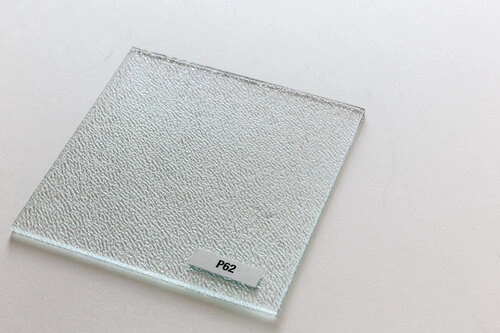
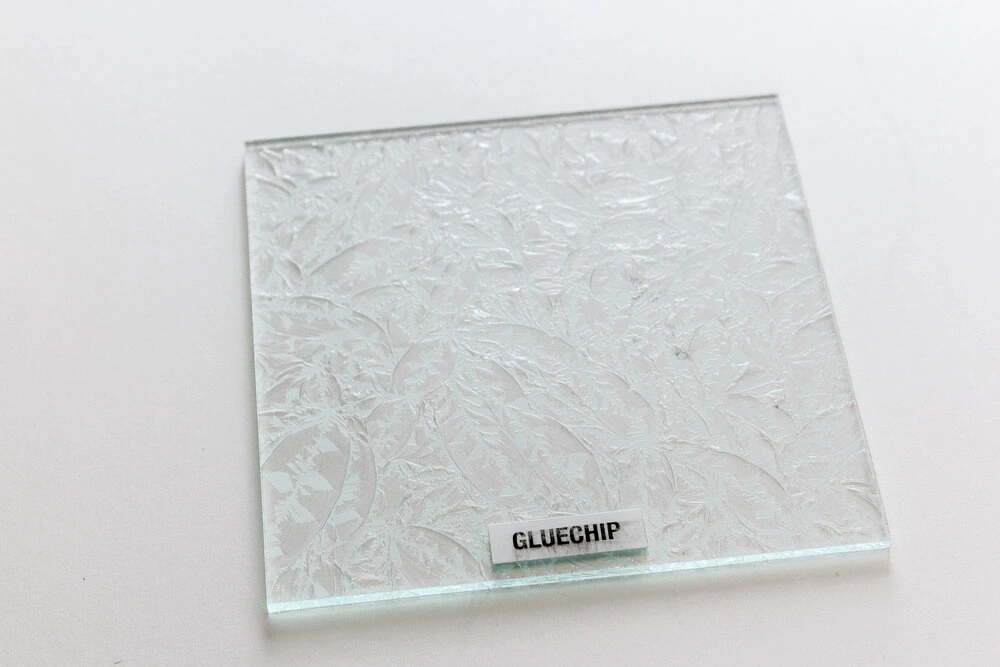
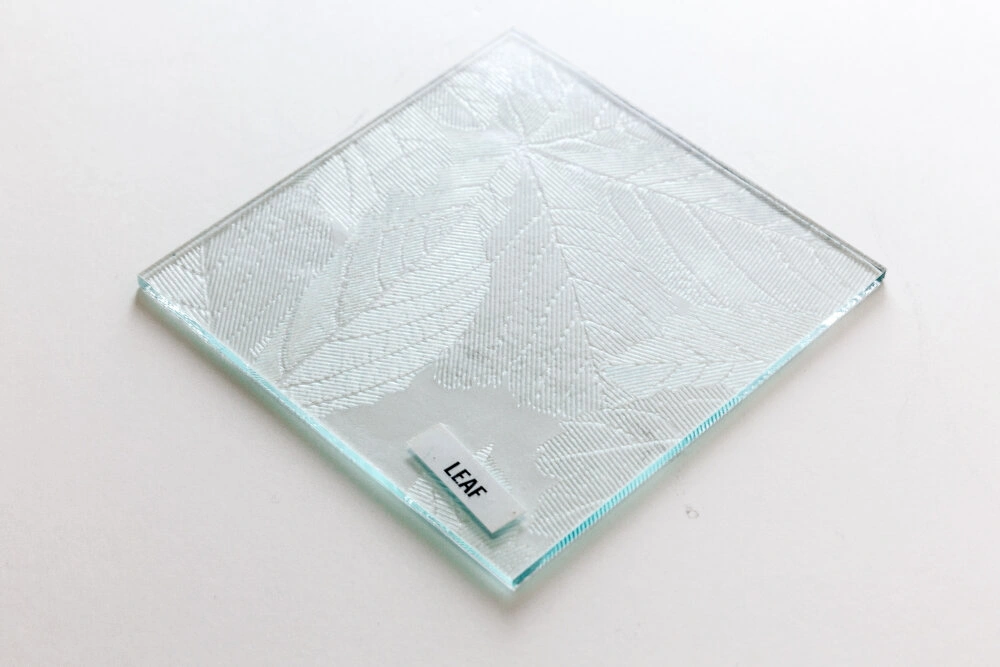
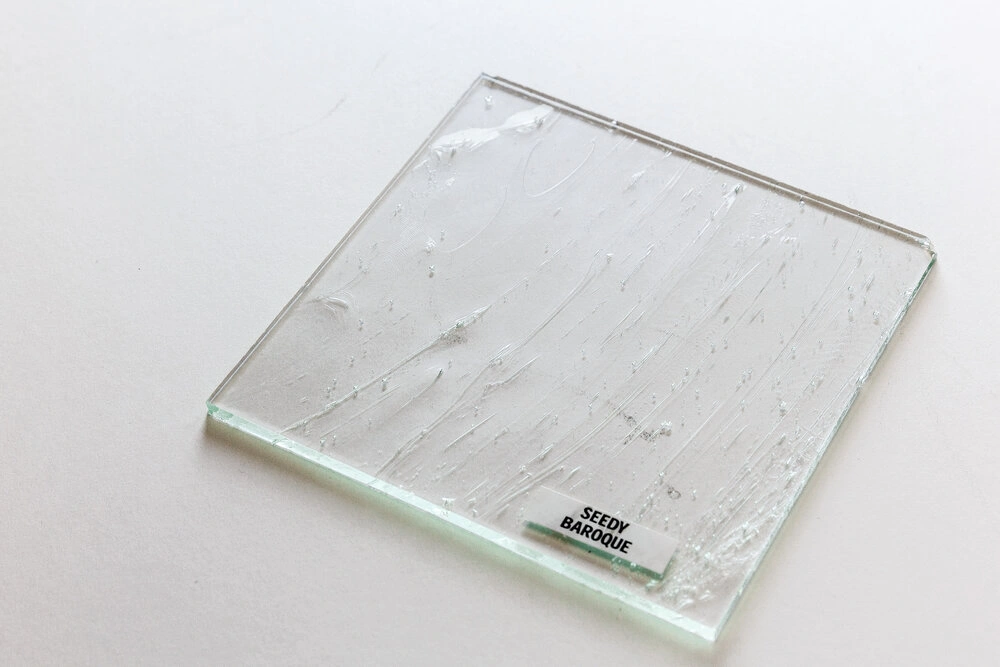
Obscured, reeded and fluted glass
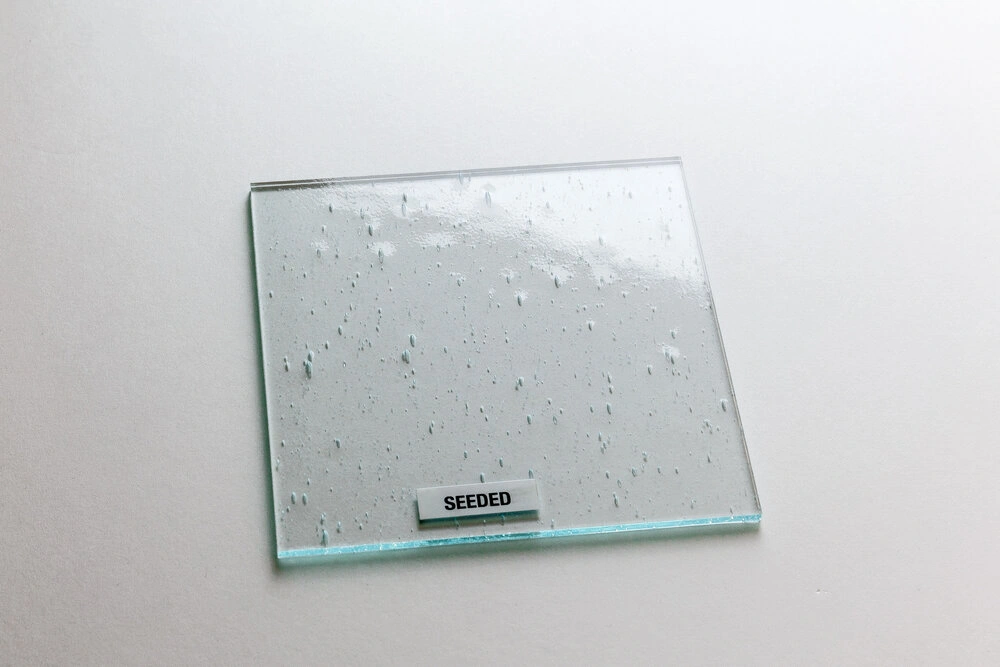
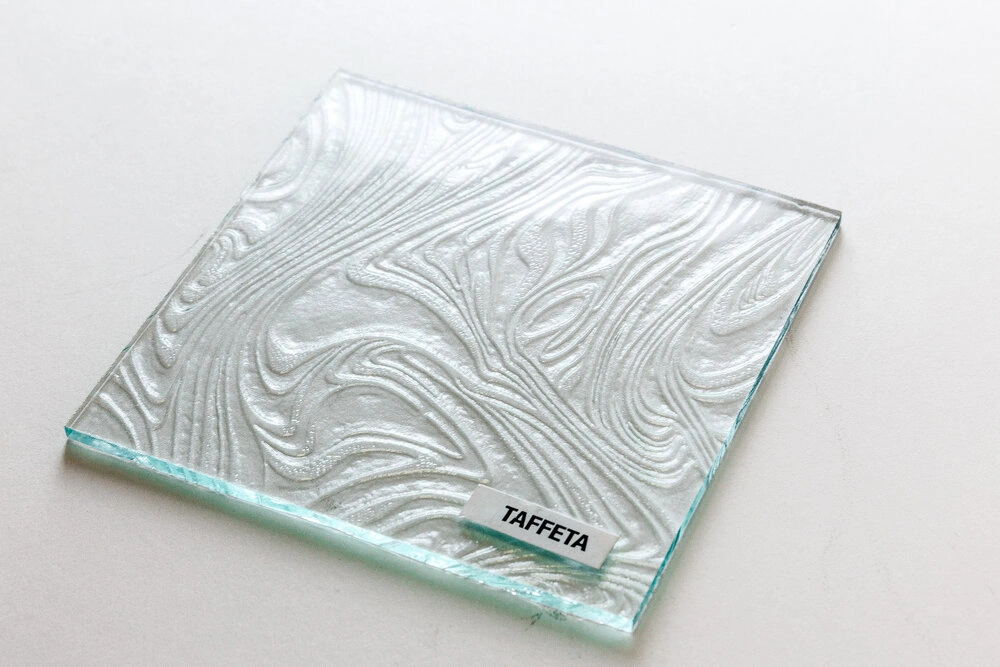
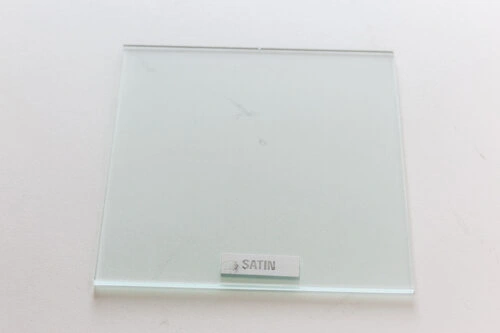
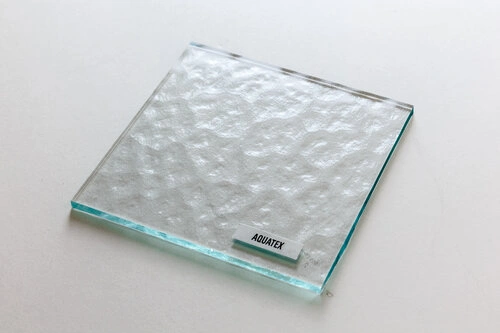
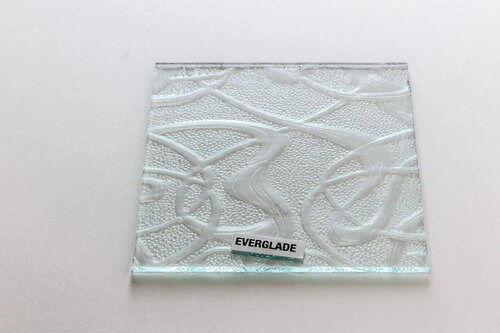
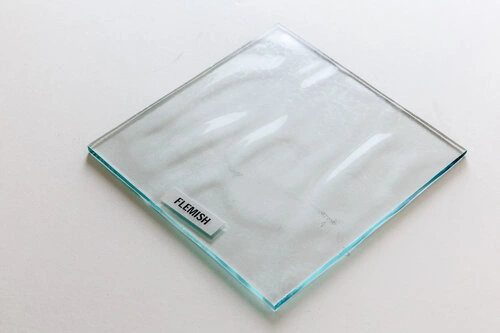
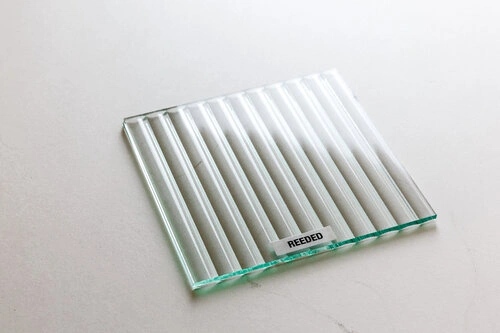
Textured glazing that passes light while breaking up the view through. Reeded and fluted patterns have become the preferred privacy option on contemporary Austin entries because they read as a deliberate design choice.
Low-iron glass
Standard glass has a slight green cast from its iron content, visible on the edges and on large panes. Low-iron glass removes it, giving truer color rendering, and it is worth specifying where large areas of glass sit next to each other.
What the Right Glass Specification Delivers
Glazing decisions affect comfort and running costs every day for the life of the building, and they cannot be changed later without replacing the units.
- Lower cooling costs. Solar control coatings reduce the heat entering a room, which directly reduces how hard the air conditioning works through an Austin summer.
- Rooms that are usable all day. A west-facing room with the wrong glass becomes unusable in the late afternoon, which no amount of shading or cooling fully fixes.
- Protection for interiors. UV filtering reduces the fading of flooring, rugs, artwork and furniture, which is a real and often overlooked cost of large glazed areas.
- Quieter interiors. Laminated glass reduces traffic and aircraft noise noticeably, which matters near major roads and under flight paths.
- Privacy without darkness. Textured and obscured options give seclusion where it is needed while still passing daylight into the room.
- Safety and code compliance. Tempered and laminated glazing satisfy the code requirements that apply to doors and to glazing in hazardous locations.
Choosing Glass by Application
Different openings have genuinely different requirements. This is broadly how we approach them.
West and south-facing glazing
The priority is solar control. A low-emissivity coating tuned for heat rejection on an insulated unit is the baseline, and this is where the largest comfort and energy gains are available on a Central Texas building.
Entry doors and sidelites
Laminated glass, because glazing next to a lock is the classic vulnerability. Laminated units hold together when struck rather than falling out. See doors with sidelites.
Bathrooms and dressing rooms
Obscured, reeded or fluted glazing for privacy with daylight. Commonly specified on steel interior doors as well as on exterior windows.
Wine cellars
Insulated units with UV filtering, since light degrades wine and the door is an environmental boundary. Covered on our wine cellar doors page.
Near busy roads
Laminated glass with an acoustic interlayer, which reduces transmitted noise substantially more than an equivalent thickness of standard glass.
Large view elevations
Low-iron glass where color accuracy matters, combined with solar control coatings. Relevant to panoramic doors and curtain wall systems.
How Glazing Is Installed in Our Steel Systems
Insulated units are bedded on setting blocks positioned so the glass carries only its own weight and none of the building's. This is not a detail worth economizing on, because edge seal failure is the most common reason an insulated unit eventually fogs internally, and it is usually caused by the unit being asked to carry load it was not designed to take.
Glazing rebates in our steel frames are drained rather than relying on sealant alone to keep water out. Any moisture that gets past the outer seal is collected and discharged, which matters in Central Texas where long dry spells are punctuated by intense driving rain. A sealant-only detail works until the sealant ages, and then it does not.
Glazing beads are detailed to stay slim, because a heavy bead undermines the reason for choosing steel in the first place. On interior work in particular, where sections are already fine, the bead is a visible design element rather than just a fixing component.
Unit specification is confirmed against the actual size and exposure of each opening. Large panes carry more weight and more wind load than small ones, and the glass makeup is checked against those loads rather than applied uniformly. On a large fixed pane the specification is an engineering calculation, not a selection.
Common Glazing Questions by Product
Entry doors
Balancing daylight in the hall against privacy from the street, with laminated glass where the glazed area sits within reach of the lock. See steel entry doors.
Patio and folding systems
Large areas facing the garden, usually west or south, where solar control coatings do the most work. See bifold and sliding doors.
Steel windows
Specified per elevation, with the heaviest solar control on the hot sides and clearer, higher-transmission glass where the exposure allows. See fixed and casement windows.
Interior doors and partitions
Single glazing is normally sufficient indoors, with laminated used where acoustic separation matters and textured glass where privacy does.
Wine rooms
Insulated and UV-filtering, treated as an environmental boundary rather than an interior opening.
Curtain walls and glazed elevations
Where glazing specification has the largest effect of all, because the glass is essentially the entire facade.
Why Specify Your Glazing With Us
We specify glass per elevation rather than per building. It takes longer at design stage and it produces a better result, because the west side of an Austin house is a different problem from the north side and treating them identically is either wasteful or uncomfortable.
Because we fabricate and glaze in house, the units are specified, ordered and installed by the same company that built the frame. The setting detail, the rebate drainage and the unit makeup are all decided together, which is what keeps insulated units performing over the long term.
We will tell you when an upgrade is not worth it. Not every elevation needs the highest specification coating, and low-iron glass on a small obscured bathroom window is money with nowhere to go. Advice that includes what to leave out is generally more useful than a specification that upgrades everything.
We work with homeowners, Austin architects and custom builders across the greater Austin area and Central Texas, with projects in Dallas, Houston, San Antonio and Fort Worth. Glazing is included in every quote alongside the fabricated frames, hardware and professional installation, described on our installation page. Related detail is on the energy efficiency page.
Frequently Asked Questions
What glass should I use on a west-facing elevation in Austin?
An insulated unit with a low-emissivity coating tuned for solar heat rejection. West elevations take low-angle direct sun through the hottest part of a Texas afternoon, and it is the single hardest orientation to keep comfortable. This is where glazing specification produces the biggest return, and where we would push hardest against economizing.
Is low-E coating worth the extra cost here?
On south and west-facing glazing, yes, without much argument. It reflects radiant heat while still passing visible light, so you keep the daylight and lose the heat. On a shaded north elevation the benefit is smaller and a lower specification may be reasonable. That is precisely why we specify per elevation rather than applying one package throughout.
What is the difference between tempered and laminated glass?
Tempered glass is heat-treated to be much stronger and breaks into blunt fragments. Laminated glass is two panes bonded to an interlayer, so when it breaks it holds together in the frame. Tempered is about breakage safety; laminated adds security, acoustic performance and UV filtering. For sidelites and glazing near a lock, laminated is the correct choice.
Can I have privacy glass that still lets light in?
Yes, and there are several ways. Obscured glass diffuses the view entirely, while reeded and fluted glass break it up with a vertical texture that has become popular on contemporary Austin entries and interior doors. All of them transmit daylight well. Which you choose is largely aesthetic, since they perform similarly.
Will glazing stop my floors and furniture fading?
It will reduce it substantially but not eliminate it. Laminated glass filters most ultraviolet light, which is the main driver of fading, and low-emissivity coatings help further. Some fading from visible light is unavoidable with any glazing. If you have valuable rugs or artwork near large glazed areas, laminated units are a sensible precaution.
Does thicker glass make a room quieter?
Less than you would expect. Laminated glass with an acoustic interlayer is far more effective than simply increasing thickness, because the interlayer damps vibration rather than just adding mass. If road or aircraft noise is a concern, an acoustic laminated unit is the specification that will actually make a difference.
Why do insulated glass units sometimes fog up inside?
Because the edge seal has failed and moisture has entered the cavity, and it cannot be cleaned since the fogging is between the panes. It is usually caused by the unit carrying load it was not designed for, by poor drainage in the glazing rebate leaving water sitting against the seal, or by a poor quality unit. Correct setting blocks and drained rebates are what prevent it, which is why we treat those details seriously.
Get your glazing specified properly
Send us your elevations with orientations and we will come back with a glazing recommendation for each one, along with a quote. Serving Austin and Central Texas, with projects across Dallas, Houston, San Antonio and Fort Worth.


